London’s bold 2026 plan for self. Driving car trials has had our drivers on edge, asking: Is this the end of an era for taxis? To find out how the future really behaves, I visited San Francisco — birthplace of Uber, Lyft, and now Waymo, and also home to Google, YouTube, and ChatGPT.
When the Driverless Hype Meets the Asphalt
Waymo is the only fully operational robotaxi service in the city right now. With about 400–500 vehicles cruising inside a geo fenced area, it doesn’t serve every corner (the airport? Not yet). Other players like Amazon’s Zoox are dipping toes in via tests, but some have stumbled with safety or regulatory issues.
Flywheel’s Surprise Counterattack
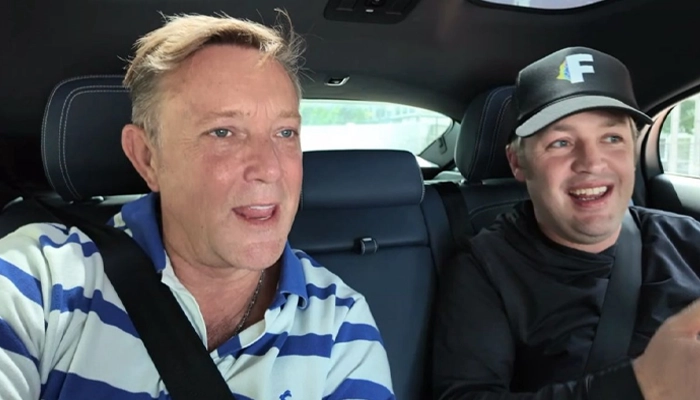
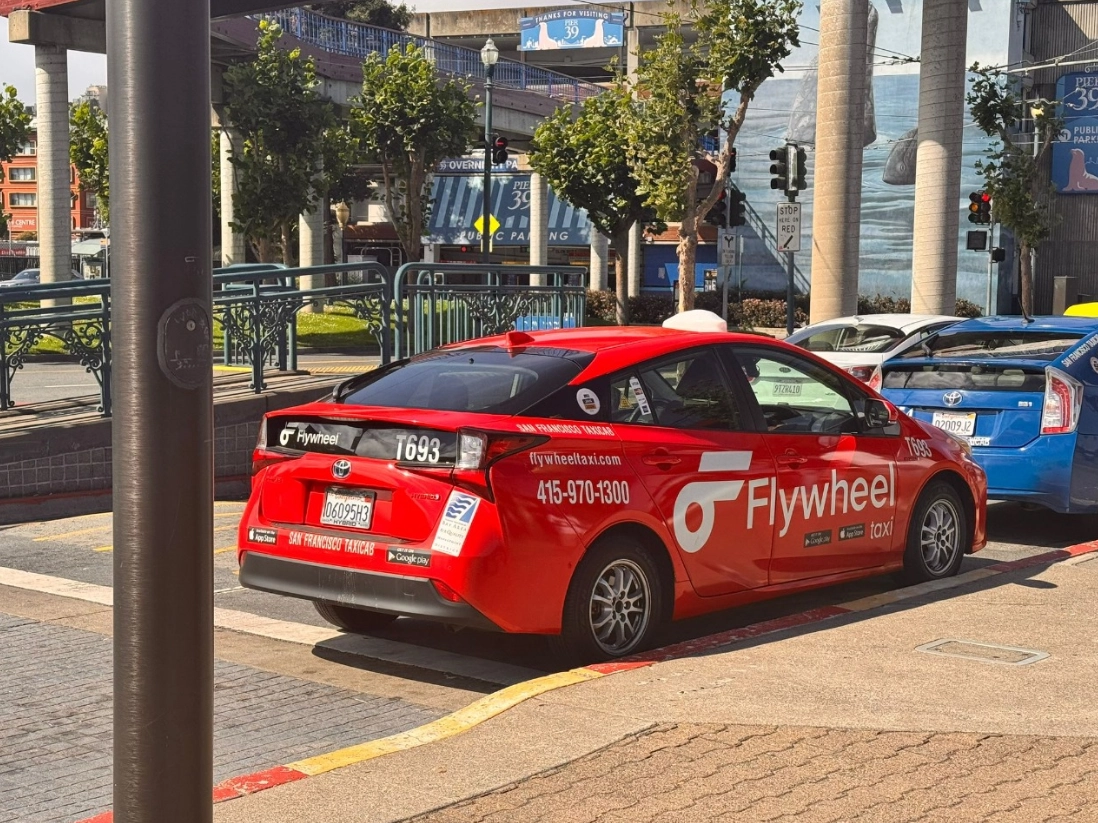
On this trip, I wasn’t just there to sample Waymo’s driverless pods. I also went with a few colleagues to record an episode of our Taxi Talk podcast, where we sat down with legacy operators such as Flywheel. I met Izzy, their CEO, and Dave, their General Manager. And here’s the surprise: Flywheel is not only thriving, but it’s also working with Uber — covering UberX jobs via its own dispatch software. Around half of Flywheel’s work now comes through UberX bookings, though customers are actively choosing the licensed taxi option. Add in strong school and medical contracts, and the picture is one of growth, not decline.
This came as a shock because in the UK, Uber Local pulled away from partnerships with established taxi firms. In contrast, in the US Uber seems happy to coexist across multiple platforms — from Curb to Flywheel to Autocab — offering customers choice while still relying on local operators.
Waymo: Novelty, Not (Yet) Disruption
Even among enthusiasts, Waymo rides are more about novelty than savings. Pricing is often the same as Uber or even slightly more, and only a fraction cheaper than a traditional taxi. After a few trips, the novelty fades and you begin to miss the conversation, knowledge, and humour that only a human driver provides.
Safe. Smooth. But Occasionally Odd.
Waymo rides felt safe and smooth, with clean cars and strong support systems. Customer service impressed: press a button if the car is messy, and it’s recalled for cleaning with a credit to your account. But there were quirks — like being dropped off in the middle of a quiet street. In San Francisco’s grid layout it works well, but how would it handle the maze of London backstreets?
Everyone in the Mix
Perhaps most surprising: Waymo isn’t trying to wipe out taxis. Instead, taxis, Uber, and robotaxis coexist and even collaborate. Waymo itself keeps an account with a local taxi company for overflow work. Apps increasingly present all these options side by side, showing how mobility is becoming a shared ecosystem rather than a fight to the death.
Looking Ahead: UK Lessons
Driverless cars aren’t about to flip the industry overnight. Expect a 10-15 year gradual integration. The clever operators will adopt autonomous vehicles alongside human drivers, giving customers more choice — and keeping the human touch that passengers still value.
Fresh Stats & Contenders (2025 Snapshot) – Waymo: about 250,000 paid rides per week in the U.S. – Uber: 3.04 billion trips globally in Q1 2025. – Tesla: limited robotaxi service launched in Austin in 2025. – Zoox (Amazon): around 50 robotaxis active in San Francisco & Las Vegas. – Lyft + May Mobility: pilot robotaxi programme launched in Atlanta. – U.S. RoboTaxi market: valued at about $0.48 billion in 2024, projected to grow at 74–75% CAGR through 2030.